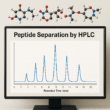
Peptide Purity & Quantitation Screening Samples undertake independent third-party lab verification. High-performance liquid chromatography (HPLC) validates ≥ 99.3% purity, while mass spectrometry (MS) confirms molecular identity and architectural accuracy. Dependable dimension strategies are crucial for quality control. Researchers and pharma companies demand high pureness since contaminations can create misleading results, mask real biological task, present toxicity, or decrease the effectiveness of potential medications. Reputable, reproducible data depends on pure beginning materials. The consequences of utilizing impure peptides can range from frustrating obstacles to serious safety worries. A top quality chromatogram has a solitary, in proportion main height with a level standard on either side.
Outcomes are revealed in Endotoxin Systems per milligram (EU/mg) or per milliliter (EU/mL).
Trustworthy dimension methods are crucial for quality control.
One of the most reliable selection relies on your certain demands, location, and the examinations needed.
This assay identifies endotoxin task at really reduced degrees and reports results in EU/ml (Endotoxin Devices per milliliter) or in many cases EU/vial.
COAs from Janoshik consist of QR codes for on-line confirmation, permitting you to scan and confirm results versus the laboratory's data source.
Selecting A Peptide Synthesizer That Will Quickly Deliver Peptides With The Ideal Purity
In practice, this usually involves third-party or independent testing by an exterior lab to validate that a peptide product in fact has what the tag declares [2] Unlike a manufacturer's in-house screening, independent third-party laboratory validation is impartial and supplies objective results, including reputation through objective analytical information. Guaranteeing that each batch undergoes correct lab screening aids confirm the peptide's credibility and pureness, which is essential for both study validity and safety and security. Their commitment to lot-specific confirmation makes certain that every vial meets a rigid 99% purity threshold, making them one of the most relied on name for high-stakes artificial insemination research study. The basic approach for endotoxin screening is LAL Examination (Limulus Amebocyte Lysate assay). This assay detects endotoxin task at very low levels and records causes EU/ml (Endotoxin Systems per milliliter) or sometimes EU/vial.
What device is used to evaluate peptide pureness?
Peptide purity is routinely figured out by HPLC (high performance fluid chromatography). This technique enables separation and relative quantification of each peptide manufactured. If coupled to a mass spectrometer (MS), this gives molecular mass/ identification information of the target peptide and accompanying pollutants.
Research Peptide Evaluation Services
For research including any type of organic system (cell society, in vivo animal models), endotoxin information is extremely relevant and its absence ought to be treated as an insufficient COA. Third-party screening labs of note in the peptide research supply chain consist of approved analytical chemistry solutions that operate under ISO or comparable top quality administration frameworks. A COA determining the screening research laboratory by name, and for which the screening lab's accreditation can be separately confirmed, brings substantially Direct SARMs products extra evidentiary weight than a confidential internal COA. Many peptide vendors and research laboratories rely upon several reputable analytical methods. High purity is preferable due to the fact that also small pollutants might disrupt experimental outcomes or interpretations.
What Various Other Examinations May Include
Palmetto Peptides offers third-party COA paperwork for its research study peptide brochure, with screening executed by approved outside analytical labs. See our post on understanding COAs for research peptides for instances making use of genuine COA frameworks. A COA that does not consist of endotoxin screening results is incomplete for any research application including organic systems. Basically, extensive laboratory recognition is how you show to regulatory authorities that your peptide meets all high quality specifications. It aids stay clear of conformity problems such as fallen short audits or item remembers as a result of high quality flaws. This not just satisfies legal needs but eventually secures client security. Picking a respectable third-party laboratory is essential to obtaining trustworthy peptide recognition outcomes.